12/12 Games
  • Home

12/12 Games Presents: The 12 Best Games of 2024

12/31/2025

Comments

 
Picture
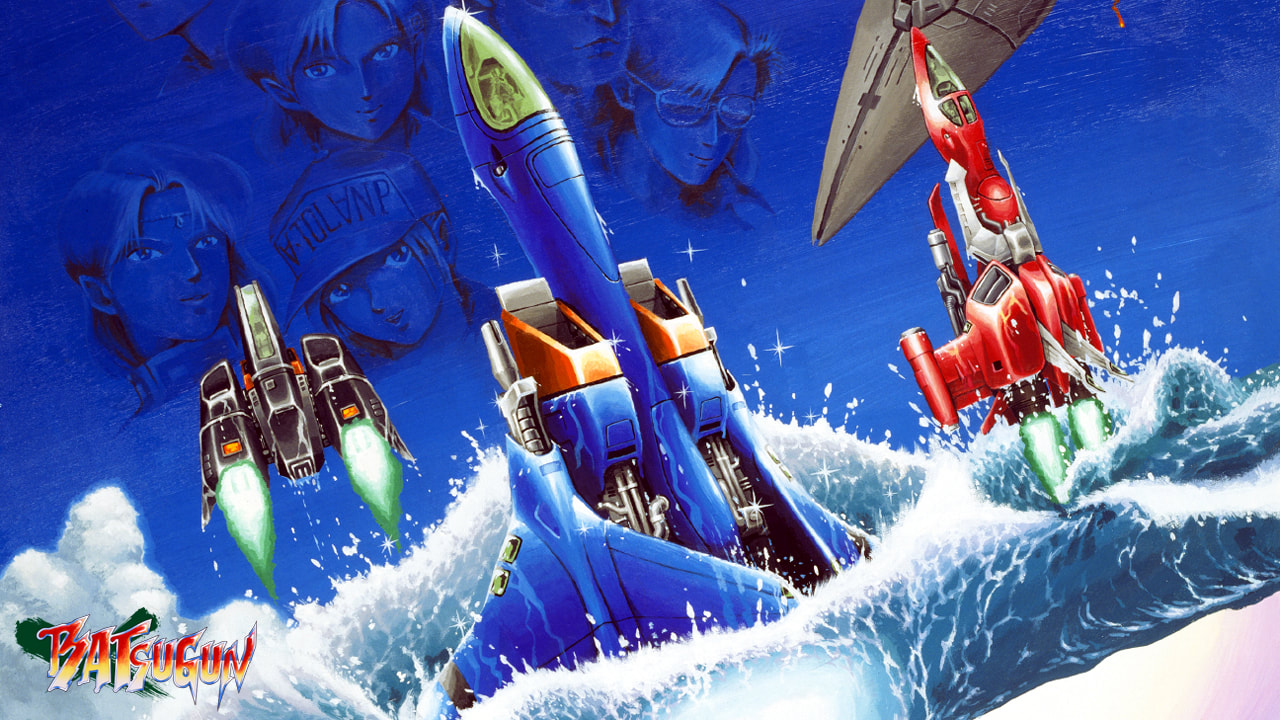
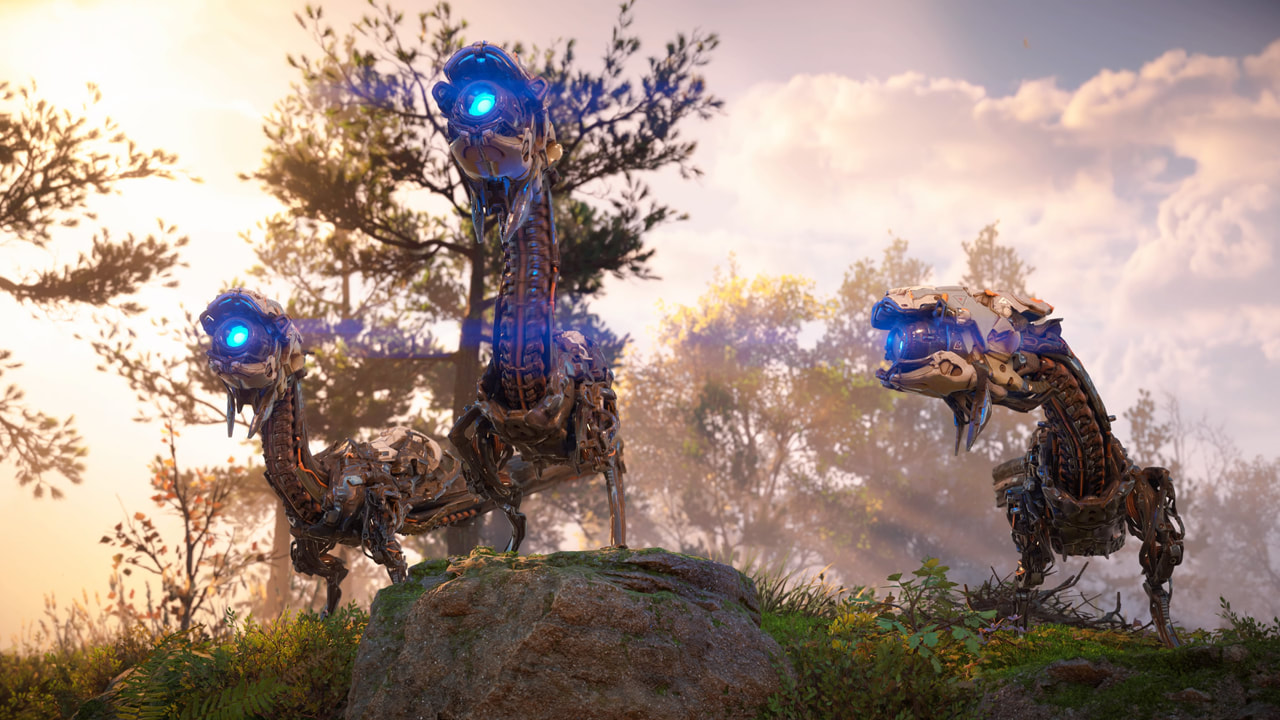
Well, we vowed to get this year's Games of the Year article out much earlier than last year and we're actually delivering it even later, incredibly. Let's just say it's been a tough year and leave it at that. At least we've got a pretty decent article for you with some incredibly fantastic picks from 2024. And even though we know you can't really trust us at this point, we do solemnly swear that we will endeavor to have 2025's best-of list out in a much timelier fashion. In the meantime, please enjoy our picks for the 12 best titles that 2024 had to offer:

Read More
Comments

Notable New Gaming Releases: (Marvel) Cosmic Invasion, Metroid Prime 4: Beyond, and More...

12/6/2025

Comments

 
Picture
So, no Retrospectives this month  - - though we certainly provided plenty of them for you over the last several months. We do, however, have some Notable New Gaming Releases for you! Just in time to wrap up 2025, too.

This week saw the release of two titles that were surely on a number of gamers radars (they were certainly on ours) - - (Marvel) Cosmic Invasion and Metroid Prime 4: Beyond. As you may know, Cosmic Invasion is a Marvel-themed beat 'em up from the incredibly talented crew over at Tribute (Games), the same studio that gave us the 2022 Game of the Year, Teenage Mutant Ninja Turtles: Shredder's Revenge. We don't know about you but Marvel x Tribute sounds like one heck of a combination! As for Metroid Prime 4, the game's been in development so long now that it would be pretty insane if it wasn't good - - but we're definitely looking forward to finding out, either way.

Also out in the last two months - - the equally highly-anticipated follow-up to Obsidian's fantastic 2019 hit, The Outer Worlds; and the first Pokemon title to appear on the Switch 2. A cosmic battle awaits! Jump past the break to see more new releases from the last 63 days.

Read More
Comments

The Nintendo GameCube: A 12/12 Retrospective

11/18/2025

Comments

 
Picture
Although the system boasted some truly fantastic titles, the Nintendo 64 was practically a master class in poor design and bad decision-making. For starters, it's system-standard three-handled controller was hands down the most ridiculously-designed piece of gaming hardware ever conceived by man. In addition to which, their decision to stick with the tried-and-true cartridge format, would single-handedly cause Nintendo to give up the majority share of the home console market to newcomer, Sony, with their vastly superior disc-based PlayStation console. Thus, Nintendo would be forced to make some pretty significant changes for their next console.

That next console, the GameCube, by contrast, would feature one of the more uniquely brilliant controller designs in gaming history. It boasted a unique button layout, arranged by priority, with the A button featured more prominently, and the other face buttons being sized and placed in accordance with their typical use and necessity. The controller also featured a comfortable shape and bright color scheme that would appeal to players of nearly any age.

Additionally, the GameCube was Nintendo's first ever console to feature a disc-reader. However, as opposed to the standard-size DVDs used in Microsoft's and Sony's rival Xbox  and PlayStation 2 consoles (respectively), Nintendo elected to use a proprietary "miniDVD" format instead. While this choice of disc size, and corresponding disc drive, would help to protect them somewhat against unauthorized game duplication and piracy, it would also, unfortunately, mean that none of their customers could ever use the system for playing any other forms of media, like CDs or DVDs.

The upside, though, was that for the first time in a generation, Nintendo's games could offer the same amount of content, and look and sound just as good as the competition's titles - - and did they ever! Though the GameCube may not have been the greatest or most popular console Nintendo's ever released, it did boast some of the greatest games they've ever released; and it's not really worth looking back on a console without looking at the games as well. So please read on, for a selection of 12 of what we feel were the greatest games to ever grace the Nintendo GameCube.

Read More
Comments

The TurboGrafx-16: A 12/12 Retrospective

11/15/2025

Comments

 
Picture
In the mid-1980's, Japanese computer company, NEC, was riding high on the success of their PC-88 and 98 series, which had been more or less dominating the PC market in their home country, during the first half of the decade. Around this same time, Japanese game company, Hudson Soft, would pioneer a super thin cartridge technology, they dubbed the "Bee Card" (like their company's bee mascot, Hachisuke). After first offering to license the technology to Nintendo, and being turned down, Hudson Soft would then approach NEC. That meeting would end up going so well that the two would decide to partner up and enter the home video game console market together, with their own brand new device, which they would ultimately call, the "PC Engine".

While the PC Engine would be largely created with internal components manufactured by NEC, the game cartridges utilized by the system would be upgraded versions of Hudson's Bee Card that they would dub, the "HuCard" - - or "TurboChip", in North America. The console would feature an 8-bit central processing unit, paired with two 16-bit graphics processors, and was capable of displaying 482 colors at a time - - a notable step up from Nintendo's NES-standard 8-bit graphics processor, and 25 simultaneous-displayed-colors maximum. The Nintendo Entertainment System had also only officially been available for a year in the US before the PC Engine would launch in Japan, in the fall of 1987.

Following its release, the PC Engine would prove to be a pretty massive success in Japan, at one point becoming the top-selling console there. In addition to its better-looking games, the system was especially popular due to its appealing design profile, easily manageable size - - as it was actually one of the smallest home consoles ever released - - and strong third-party support. Once again riding high on success, NEC would soon decided to launch the console in North America as well.

Rebranded as the "TurboGrafx-16" (technically, the "TurboGrafx-16 Entertainment SuperSystem", as if "TurboGrafx-16" wasn't long enough already), the North American launch would end up not going at all according to plan, eventually leading to a premature departure from the market by NEC - - though the console would still manage to hang on for a few years. Plenty long enough to grow a fairly respectable library of incredible games, despite the fact that they constituted barely a fraction of the PC Engine's entire list of Japanese titles. Regardless, those that were fortunate enough to have owned a TurboGrafx knew that a number of the games released during its brief North American run were just as good, if not better than many of those of its rival consoles. So, to pay tribute to the anniversary of NEC and Hudson Soft's failed foray into the North American console market, for your reading pleasure, we have rounded up a list of 12 of the greatest titles ever to grace the TurboGrafx-16 (Entertainment SuperSystem).

Read More
Comments

The Microsoft Xbox: A 12/12 Retrospective

11/15/2025

Comments

 
Picture
In the late '90s, Microsoft CEO, Bill Gates, saw the increasing power and popularity of video game consoles as a potential threat to the PC industry, so the company began looking for ways to expand into the market. These would initially include partnering with Sega to create a custom version of Windows CE for their Dreamcast console, and then approaching Sony to offer to do the same for their PlayStation 2. Sony, however, declined their offer. They would even go so far as to approach Nintendo to see if they would be receptive to being acquired by Microsoft, but Nintendo would also reject Microsoft's offer.

So, Microsoft decided to set about making their own gaming console. After some internal debate concerning two rival design strategies, a decision was made to use PC parts, including a built in hand drive - - the first console to ever sport one - - as well as a custom version of Windows, featuring DirectX support. It was also decided that the system should be equipped with an Ethernet port in order to enable the future implementation of fast, reliable online play.

The DirectX support, in particular, would play a key role in setting the Xbox apart from other consoles. Not only because it's where the "X" in "Xbox" comes from, but also because the support of DirectX would allow game developers to both create new games, and port existing PC games to the console, with relative ease, while also giving the console comparatively larger processing power, at the same time. Like the PlayStation 2, the Xbox would also utilize a standard DVD drive for gameplay - - with an optional remote and controller port IR sensor later being made available to enable movie playback functionality as well. Unlike the PlayStation 2, however, the Xbox would be the first home console to incorporate real-time Dolby Digital 5.1 surround sound during actual gameplay, instead of just in cutscenes.

Leading up to the launch of the Xbox, Microsoft would go to great lengths to line up a number of high-profile titles for their upcoming console. This would include successfully wooing both Tecmo, and future Microsoft subsidiary, Bethesda; acquiring Mac developer, Bungie, along with the rights to their upcoming title, Halo: Combat Evovled; as well as striking a crucial 11-game exclusivity deal with (then) newly-turned third-party developer/publisher, Sega. Throughout the console's life, Microsoft would continue to get more fantastic games onto the Xbox through other, similar means; and their smart implementation of DirectX in the console certainly wouldn't hurt them in this matter, either. It was these games, more than anything, that really helped the Xbox to stand apart from the competition, and as usual, we have assembled a list of 12 of the greatest titles to ever grace the console, just for your reading enjoyment.

Read More
Comments

The Atari VCS/2600: A 12/12 Retrospective

10/14/2025

Comments

 
Picture
In late 1971, former amusement park manager and electrical engineer, Nolan Bushnell, together with his business partner Ted Dabney, and amusement company, Nutting Associates, created and released Computer Space - - the first arcade video game ever created, as well as the first ever commercial video game. Heavily inspired by the 1962 MIT computer program, Spacewar! - - one of the first ever non-commercial video games - - Computer Space would prove to be a modest success for Bushnell and Dabney. In June of the following year, the pair would form their own video game company, Atari, shortly before parting ways with Nutting Associates.

Their next arcade title, Pong, would also be their first official release as Atari, debuting in the fall of 1972. Pong would quickly become a massive hit, with Atari finding itself struggling to make new machines fast enough to keep up with the demand for them. Over the next few years, Atari would grow by leaps and bounds, releasing several Pong variants, in addition to a variety of other arcade titles. Then, in 1975, Atari struck a deal with department store chain, Sears, which would sell dedicated Pong consoles that could be hooked up and played directly from any consumer television set. Originally branded as the "Sears Tele-Game", Atari-branded versions would eventually become available, as well.

Following the success of their Pong home device, Bushnell started a project within Atari to develop the world's first ever flexible home gaming console, that could allow different titles to be swapped in and out at any time. In order to help see this device come to fruition, a deal was struck in which Atari would be acquired by entertainment conglomerate, Warner Communications, in exchange for $28 million, and Bushnell getting to stay on in his same roles, as chairman and CEO. Though they would ultimately be beaten to market by the 1976 release of US rival, Fairchild's, swappable cartridge-based home game console, the Video Entertainment System (later rebranded as the "Channel F"), Atari would eventually succeed at creating their own such system, as well.

Featuring 6 metal switches (later scaled back to 4) and a faux wood grain panel on the front, the Atari Video Computer System - - or VCS, for short - - would officially launch on October 14, 1977. While Atari was a bit slow to build up a respectable library and user base for the console, they would finally begin to hit their stride by the beginning of the 1980s, with monster hits like Space Invaders and Asteroids (amongst others). It was the (eventual) collection of top-notch titles like these that made the VCS the incredibly popular cultural phenomenon that it was. In honor of the console's anniversary, we would like to take a look back with you, now, at 12 of the finest examples of groundbreaking excellence that the Atari VCS/2600's library had to offer.

Read More
Comments

Notable New Gaming Releases: Ghost of Yotei, Sonic Racing: CrossWorlds, and More...

10/4/2025

Comments

 
Picture
Apologies for the lengthy delay. We actually never intended to wait this long in between new games release posts. There certainly hasn't been a lack of notable new titles to cover. So, it looks like we'll just have to cover the most notable highlights, for this post.

This week saw the release of one of the biggest titles of the year, Sucker Punch's highly anticipated follow-up to their incredible 2020 masterpiece, Ghost of Tsushima. Set a few hundred years later, Yotei follows female warrior, Atsu, on her quest for revenge throughout the northern regions of feudal Japan. Like Tsushima, everything we've seen and heard from this game absolutely screams "must-play title". We certainly can't wait to.

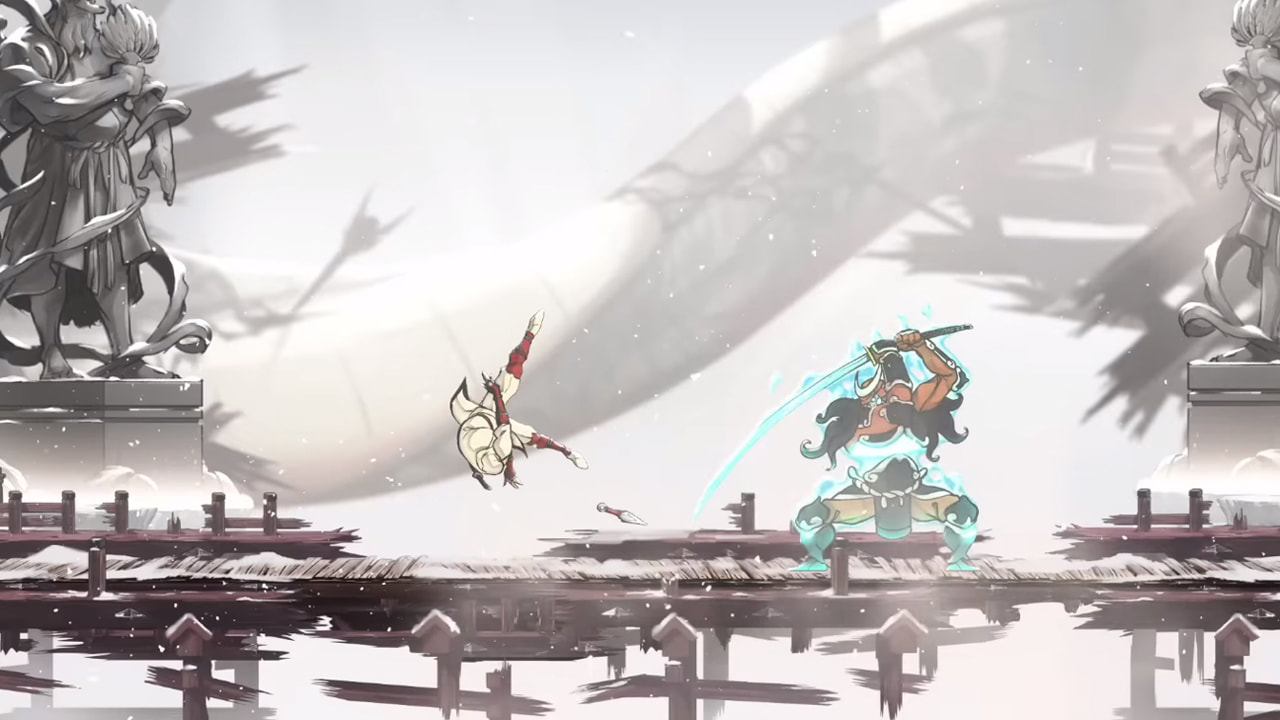
Also out in the last 20 weeks, a welcome new entry in the excellent Sonic & SEGA Racing series; a follow-up to the award-winning 2020 indie hit, Hades; and the first new Shinobi title in nearly a decade and a half! Set aside the order of the Edo period, then jump past the break to see more new releases from the last 140 days.

Read More
Comments

The SEGA Genesis: A 12/12 Retrospective

9/15/2025

Comments

 
Picture
Frustrated by the lack of success following the launch of their 8-bit Master System console in America, as well as their continued struggles against rival Nintendo in the Japanese home console market, Sega quickly began working on their next iteration of gaming hardware. During this time frame, another contender entered the arena - - Japanese computer company NEC, with their PC Engine (the Japanese counterpart to what would eventually be released in North America as the TurboGrafx-16). This would prompt Sega to incorporate a 16-bit CPU into their specs, as well a to focus their design on closely modelling the architecture of their popular System 16 arcade hardware.

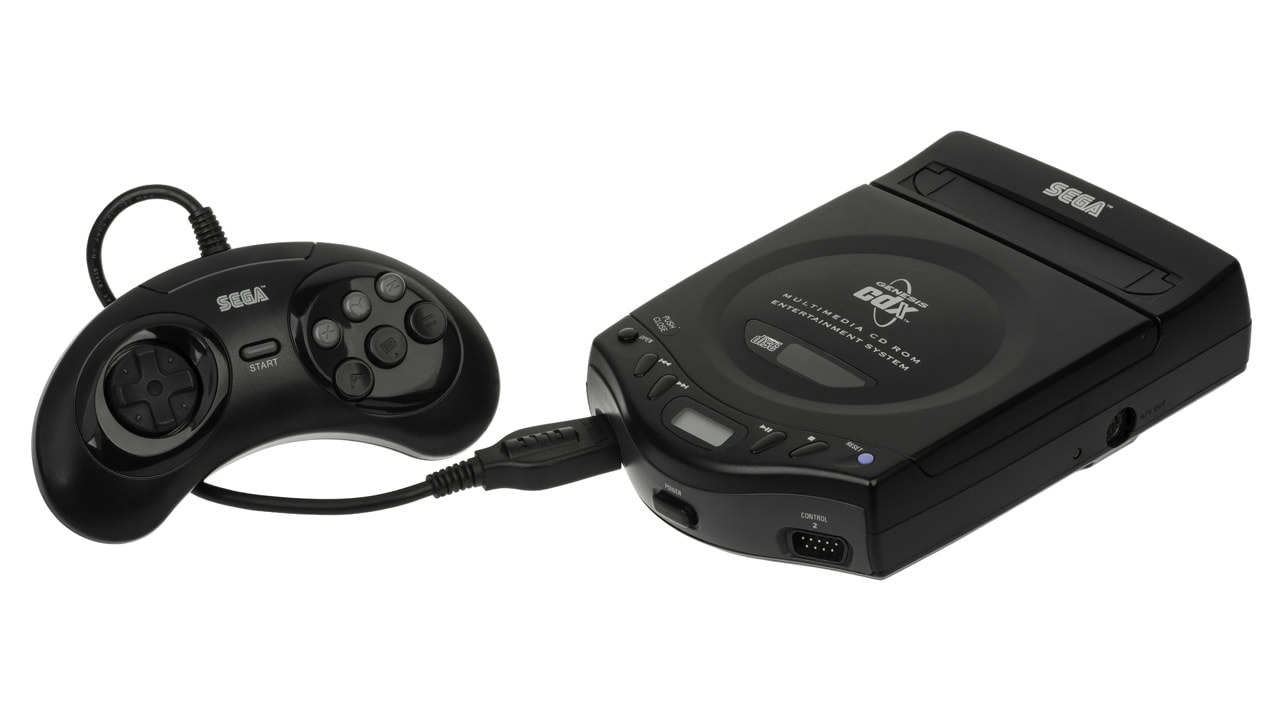
In contrast to Nintendo's strategy, the external appearance of Sega's new console would be designed to appeal to a more mature audience. To that end, the console's design would be inspired by, and specifically modeled to resemble, a high-end CD player (which, at the time, was still an increasingly popular luxury device); to the point that it would even end up including a volume slider and headphone jack. While Sega would dub the console the "Mega Drive" in most other regions, Sega of America chairman, David Rosen, would change its moniker to "Genesis" for the North American market, as he thought it sounded better and wanted the system to represent a new beginning for Sega.

Sega would officially launch their Genesis/Mega Drive console in the fall of 1989, in Japan, and then on September 15th, 1989, in North America (following a limited test release, a month prior). While the Mega Drive would fail to achieve much additional success for Sega in the Japanese market, the North American Genesis would prove to be quite a different story. As a result of Sega successfully beating NEC's TurboGrafx-16 and Nintendo's 16-bit Super Nintendo to market, in addition to a brilliant and relentless marketing campaign, Sega was able to not only gain the lead in the 16-bit console race, but hold on to it for the majority of its duration.

Of course, the success of any game console is always largely dependent on the size and quality of its library of titles, and the Genesis most definitely did not disappoint on that front. Between legendary arcade ports, outstanding third-party fare, and some of the greatest sports titles of all time, the Genesis arguably boasted on of the greatest libraries in gaming history. It took some doing, but we have managed to whittle their impressively large list of hits down to just 12 of the greatest to ever grace the console; which we proudly present to you without further ado:

Read More
Comments

The (Regrettably Late) Non-E3 June 2025 PlayStation State of Play & Xbox Games Showcase, & July Nintendo Direct: Partner Showcase Roundup

8/17/2025

Comments

 
Picture
Two months ago, Sony and Microsoft held their traditional mid-year video presentations to show off their biggest upcoming titles. Of course, these unveilings used to take place at the world famous Electronics Entertainment Expo in Los Angeles, which was sadly went defunct after Covid. While we could have written something about it then, we decided it just wouldn't feel right to post one of these articles without all of "the big three" being represented in some way.

Thankfully, Nintendo finally decided to join the party with some new announcements of their own two weeks ago. So if you'd like to blame them instead of us for the lengthy delay of this post, that would be fantastic. Anywho, as per usual, please read on for a quick list of some of the highlights from all three (non-E3) presentations.

Read More
Comments
<<Previous

    Categories

    All
    12/12 Retrospectives
    12 Best GOTY
    6 Favorite Games
    Apple
    Arcade
    Atari
    Coming Soon
    E3
    Game Changers
    Games For Dads
    Games To Play When...
    GOG
    Humble Bundle
    NEC
    Nintendo
    Opinion
    PlayStation
    Reviews
    SEGA
    Site
    Soundtrack
    Steam
    Xbox


    About

    12/12 Games is the
    place to come if
    you're looking for a
    fantastic mix of
    gaming news,
    ​reviews, nostalgia,
    and more.


Home

Contact

Copyright © 2015